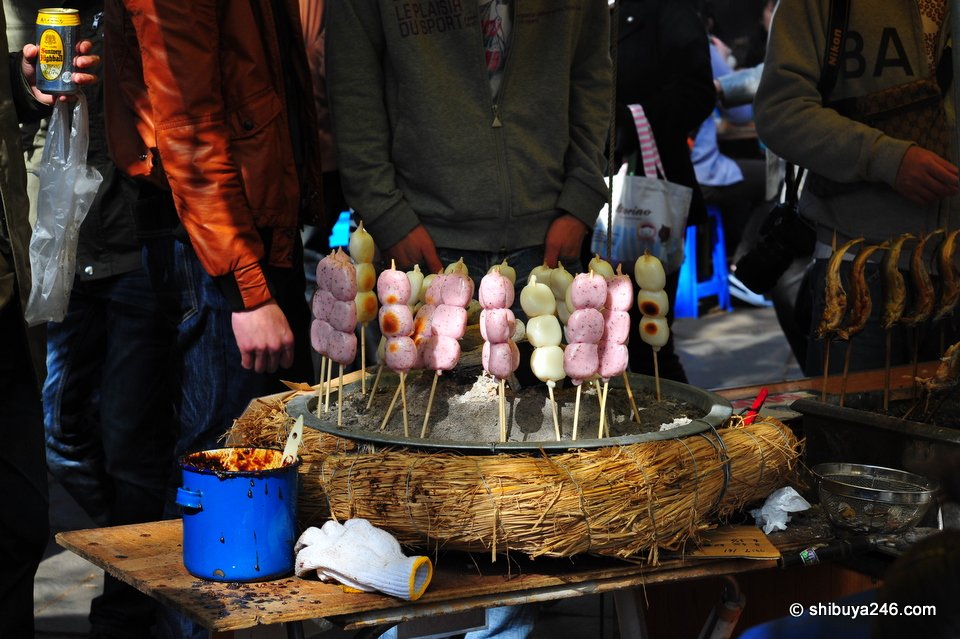
Dango 団子
Dango are small, chewy dumplings made from rice flour, usually served three to five to a skewer.
About Dango
- What it is: Balls of rice-flour dough, simpler than mochi, which is made from pounded steamed rice. Every region has its own versions.
- Mitarashi dango: Skewered dango coated in a glossy, sweet soy glaze with a slightly burnt fragrance. It is said to come from the Shimogamo area of Kyoto and is named after the purifying water at Shimogamo Shrine.
- Hanami dango: Pink, white and green dango eaten in cherry blossom season. The colours are often read as cherry blossom, melting snow and new spring grass.
- Other styles: Round white tsukimi dango for autumn moon viewing, kibi dango from Okayama and sasa dango from Niigata.
- Where to try it: Street stalls, Japanese confectioners and convenience stores.
Checked against: The world of Japanese dango | Kyoto Journal · Mitarashi dango | Wikipedia.
Dango on Shibuya246
Photos and stories from the blog, as they were written at the time.
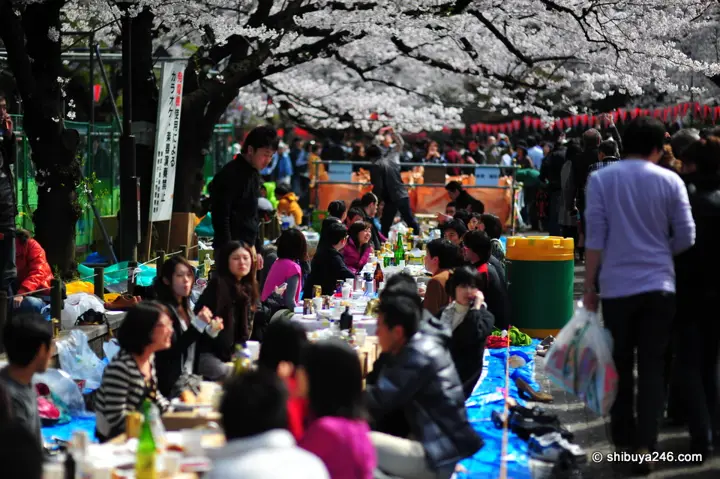
Ueno Park, Sakura
Ueno Park was Japan's first public park, opened in 1873. It has many attractions including a zoo, museums, a lake, temples and every year in April it is the destination for many to view the Sakura trees in full bloom.
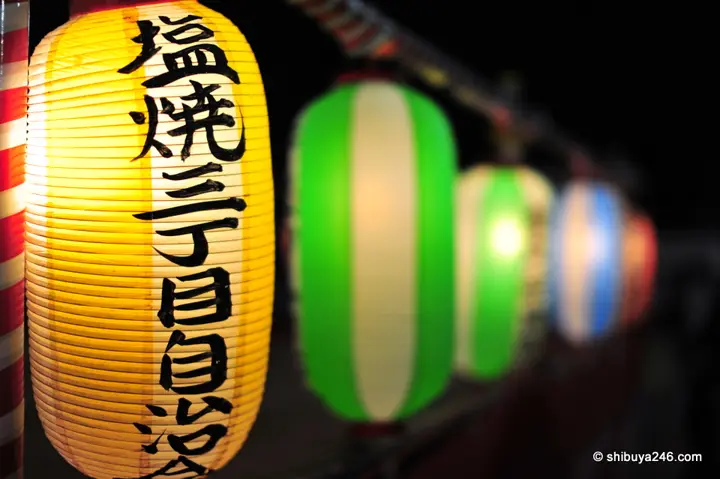
Summer Matsuri
Summer is a time of festivals in Japan and also the time of Obon. I took these photos at a local matsuri in Chiba which included plenty of drum playing and obon dancing.
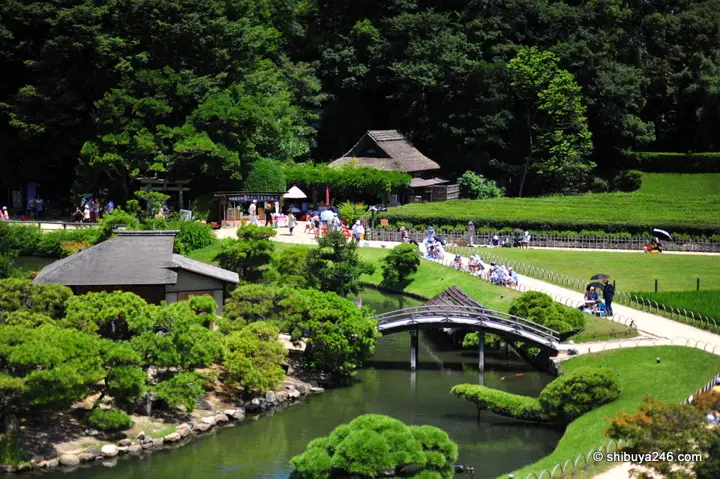
Okayama, Korakuen
Okayama's Korakuen has been in existence since the Edo Period and has entertained many important guests through the years. It is considered one of the three famous gardens of Japan and is designated as a Special Scenic Location under the Cultural Properties Protection Law.