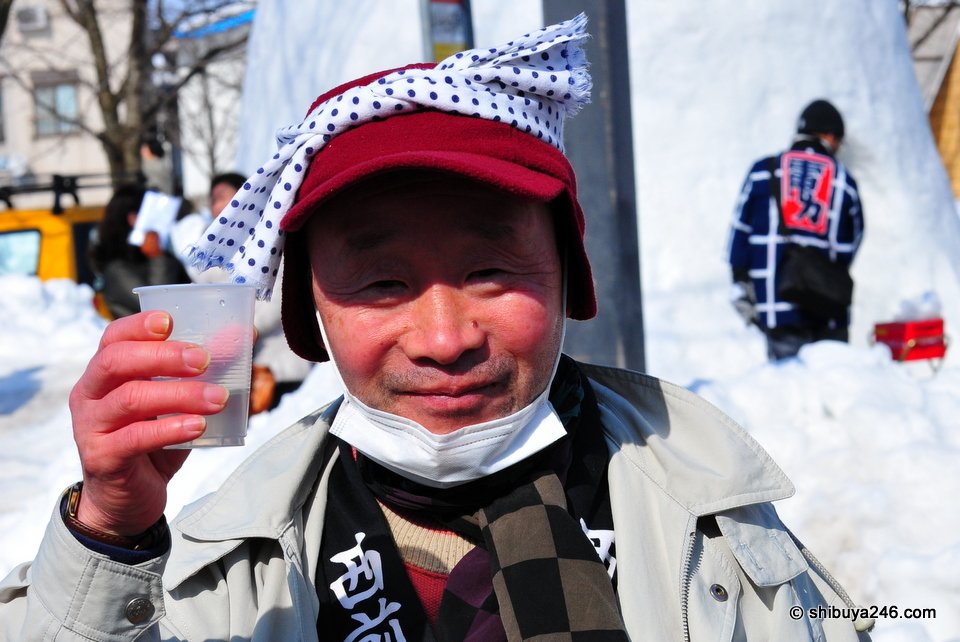
Sake 日本酒
Sake, called nihonshu in Japan, is brewed from rice and water. Good water and good rice shape the character of each brewing region.
About Sake
- Where to try it: Brewing districts where many breweries offer tours, tastings and small museums, as well as izakaya and sake bars across Japan.
- Regions: Hyogo is Japan's top producer, centred on the Nada district of Kobe and Nishinomiya. Fushimi in Kyoto is known for its spring water. Niigata and Akita, both snowy rice-growing areas, are known for clean, smooth sake.
- Styles: Nada's harder water gives a drier sake, nicknamed otoko-zake; Fushimi's softer water gives a mild, smooth one, nicknamed onna-zake.
- How to drink it: Sake can be served anywhere from well chilled to hot (atsukan, about 50°C). Highly polished premium sake is usually best cool; simpler, fuller sake suits warming. Drink warmed sake before it cools.
Checked against: Exploring the Sake Breweries of Nada | Nippon.com · The Sake of Fushimi, Made with Famous Waters | Highlighting Japan (Government of Japan) · Japan's Top 6 Regions for Local Sake | Tokyo Weekender · Heiß oder Kalt? Sake und die Temperaturen | Embassy of Japan in Germany.
Sake on Shibuya246
Photos and stories from the blog, as they were written at the time.
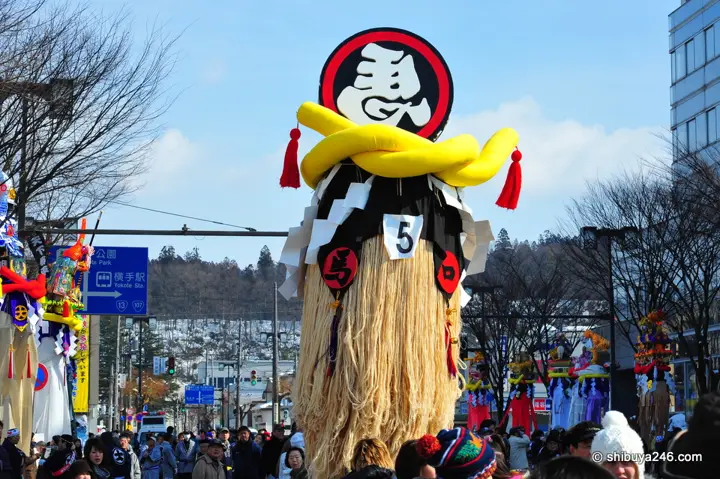
Bonden Festival, Akita
The Bonden Festival is held in various parts of Akita-ken. I attended this one in Yokote City. A Bonden represents a mythical marker point for the gods to descend to our world. The Bonden is carried through the streets and holds with it the prayers of the business and community for a prosperous year.